
So you’ve gone gluten-free and you’re staring at your pantry like it personally betrayed you, right? All those recipe bookmarks suddenly useless, and now you’re stuck wondering if you’ll ever eat pancakes again. Enter buckwheat flour—the hero you didn’t know you needed.
Despite its misleading name (seriously, who named this thing?), buckwheat is 100% gluten-free and about to become your new best friend in the kitchen.

Why Gluten-Free Buckwheat Flour Recipes Are Awesome
Let’s be real: buckwheat flour is basically the overachiever of the gluten-free world. It’s got a nutty, earthy flavor that makes everything taste more sophisticated than it actually is—perfect for when you want to impress someone without really trying.
Plus, it’s packed with protein, fiber, and nutrients, so you can pretend you’re being healthy while eating delicious stuff.
The best part? You don’t need a PhD in baking to work with it. Unlike some gluten-free flours that behave like moody teenagers (looking at you, rice flour), buckwheat actually cooperates. It binds well, browns beautifully, and doesn’t turn everything into cardboard.
If you’ve been intimidated by gluten-free baking, this is your gateway flour. Trust me, even my disaster-prone cousin nailed these recipes on her first try, and she once burned water. Literally. Don’t ask.
Ingredients You’ll Need
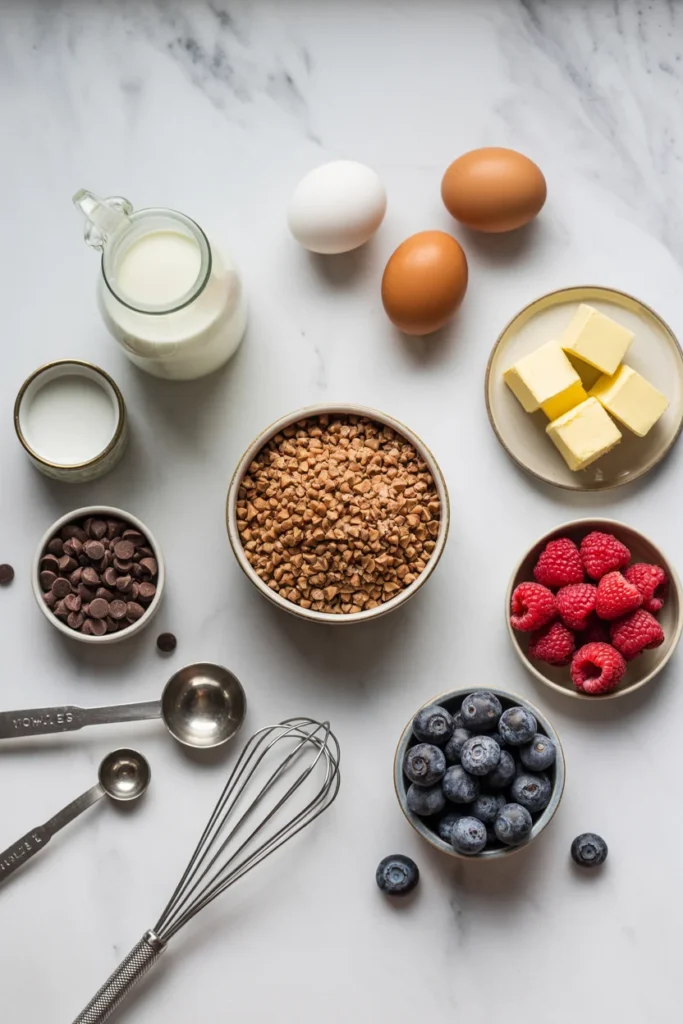
Here’s what you’re grabbing from your pantry (or making a mental note to buy):
For Buckwheat Pancakes:
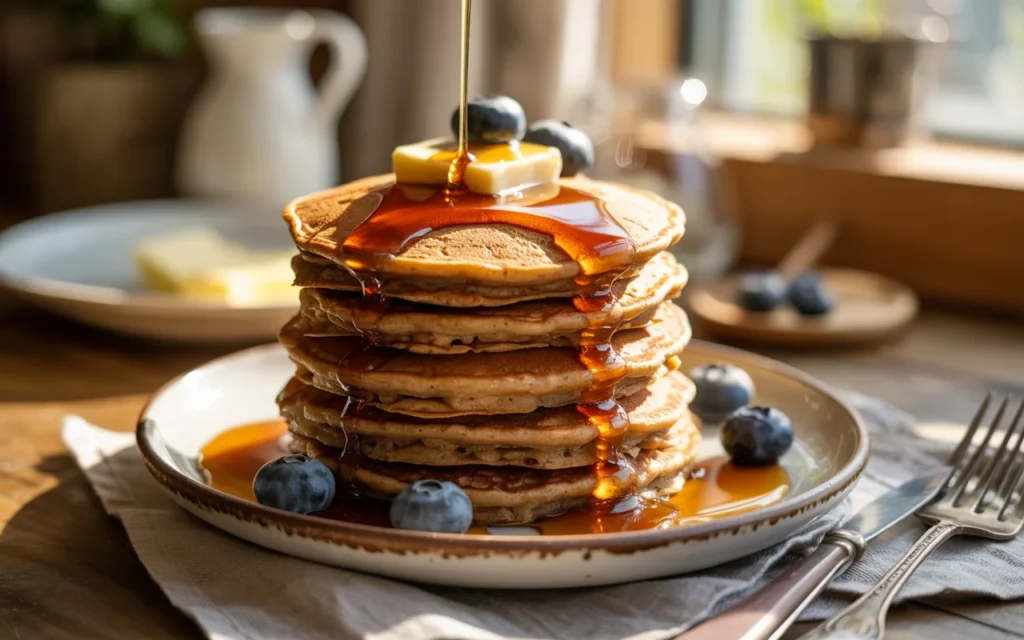
- 1 cup buckwheat flour (the star of the show)
- 1 tablespoon sugar (or honey if you’re fancy)
- 1 teaspoon baking powder (don’t skip this unless you want hockey pucks)
- ½ teaspoon salt
- 1 cup milk of choice (dairy, almond, oat—whatever floats your boat)
- 1 large egg (the glue that holds your life together)
- 2 tablespoons melted butter or oil
- 1 teaspoon vanilla extract (because everything’s better with vanilla)



For Buckwheat Crepes:
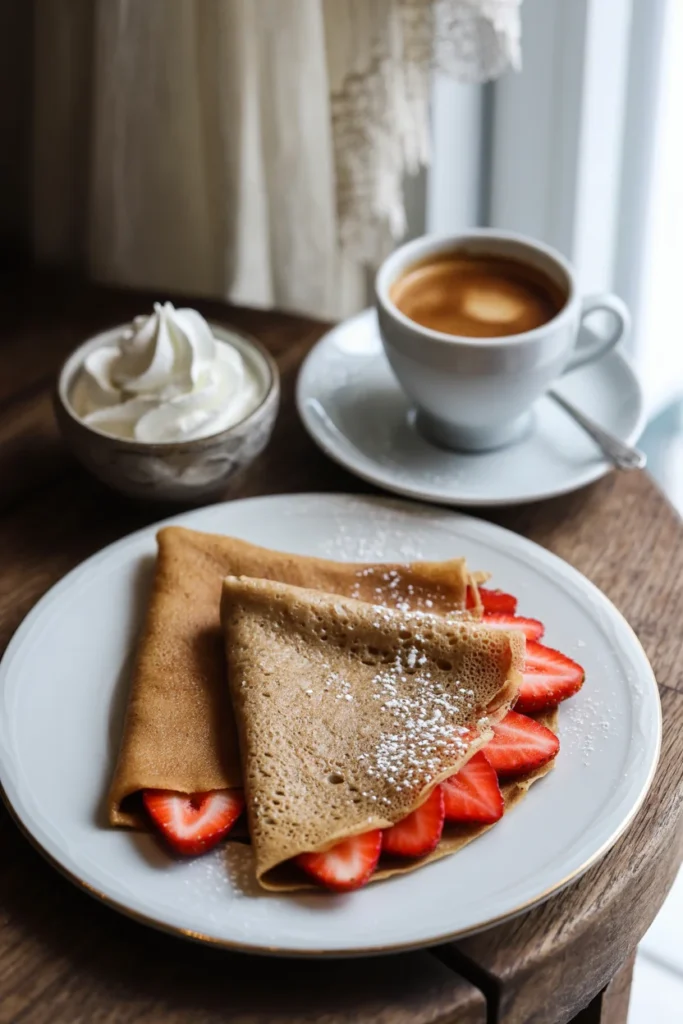
- 1 cup buckwheat flour
- 2 large eggs
- 1½ cups milk
- 2 tablespoons melted butter
- Pinch of salt
- Water to thin (if needed)
For Buckwheat Chocolate Chip Cookies:
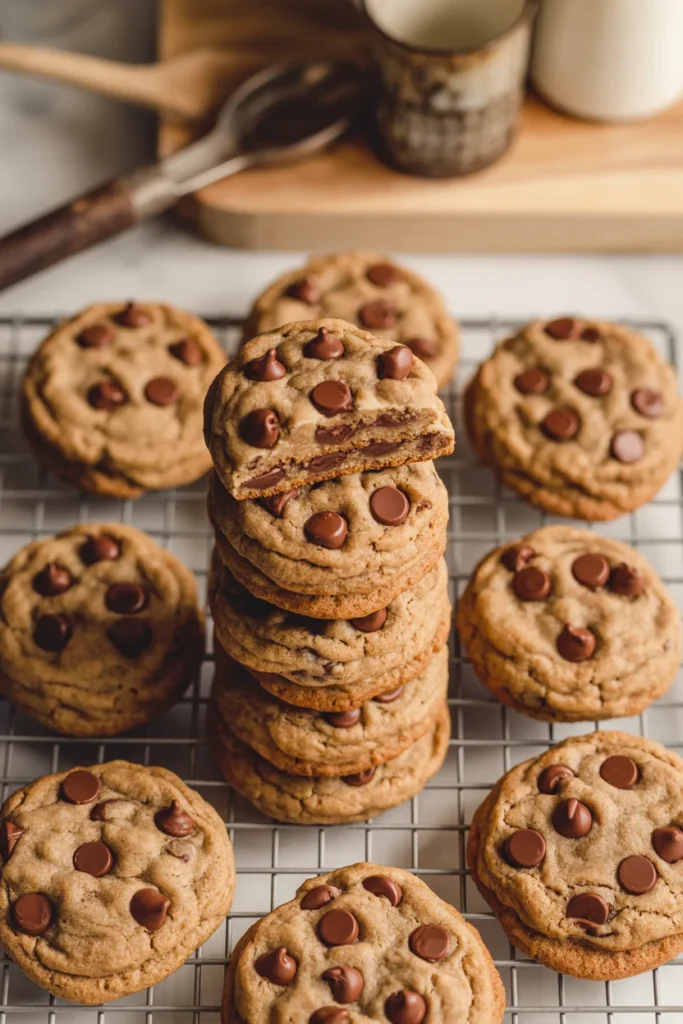
- 1½ cups buckwheat flour
- ½ teaspoon baking soda
- ½ teaspoon salt
- ½ cup butter, softened
- ¾ cup brown sugar
- 1 egg
- 1 teaspoon vanilla
- 1 cup chocolate chips (go wild, add extra)
Step-by-Step Instructions
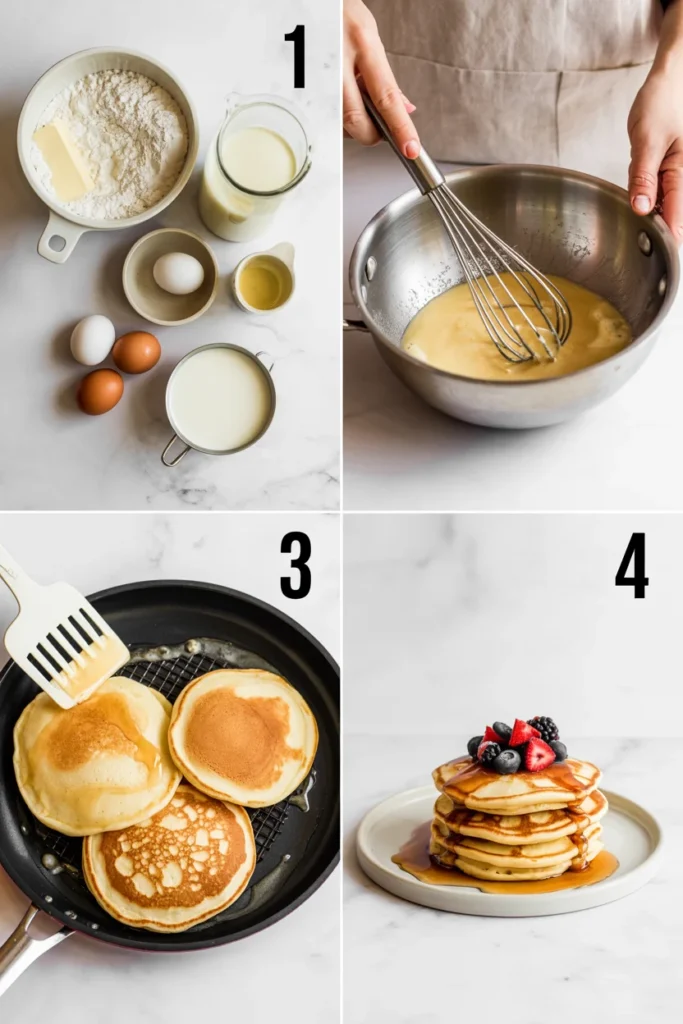
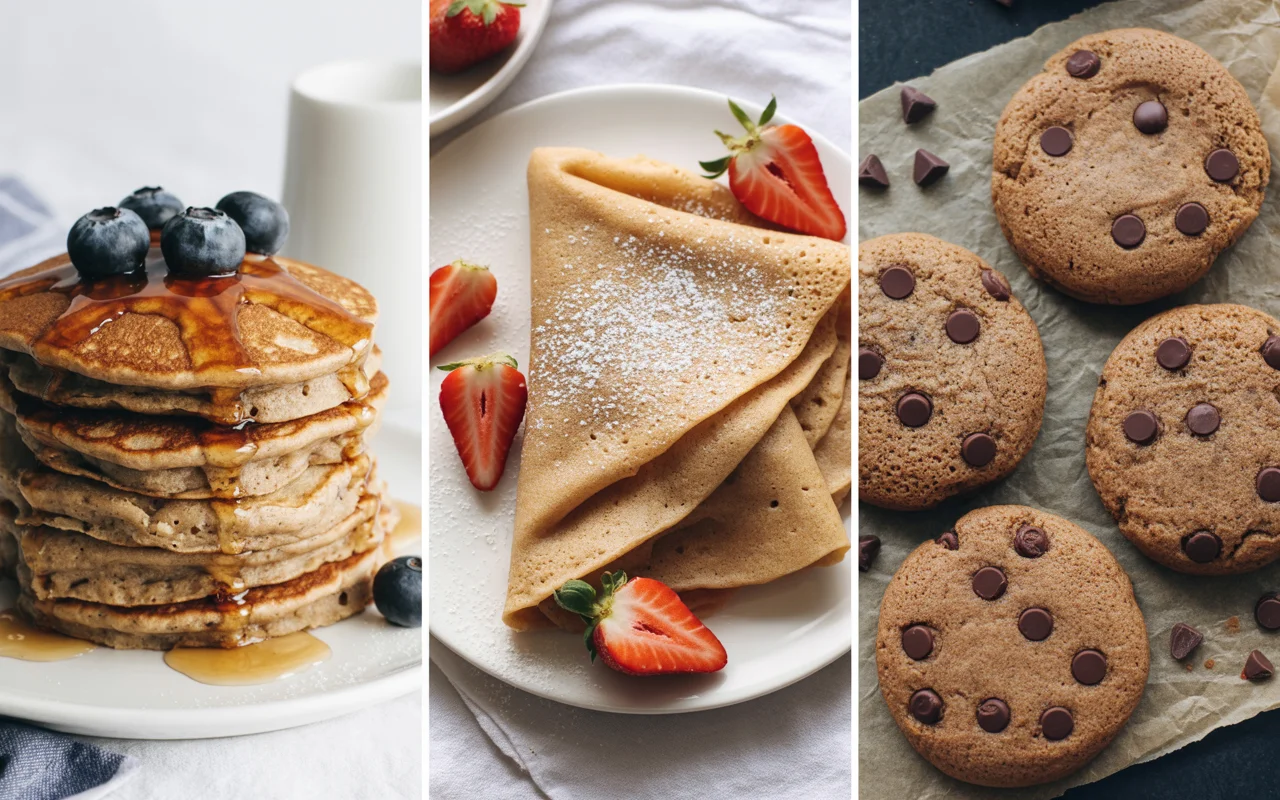
Buckwheat Pancakes (Because Breakfast is Life):
- Mix your dry ingredients in a bowl. Buckwheat flour, sugar, baking powder, and salt all hanging out together. Give them a good whisk so they’re friends.
- Combine wet ingredients separately. Crack that egg, pour in your milk, add melted butter and vanilla. Whisk until it looks like a cohesive liquid instead of a science experiment.
- Pour wet into dry and stir gently. Don’t overmix—some lumps are totally fine. Overmixing makes tough pancakes, and nobody wants angry breakfast food.
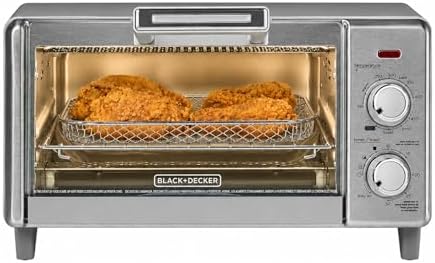
- Heat a non-stick pan over medium heat. Add a tiny bit of butter or oil. Pour about ¼ cup batter per pancake. Wait for bubbles to form on top (usually 2-3 minutes), then flip.
- Cook the other side for another 1-2 minutes. Stack ’em high, drench in maple syrup, and pretend you have your life together.
Buckwheat Crepes (Fancy French Vibes):
- Blend everything together. Seriously, just dump all the crepe ingredients in a blender and let it rip for 30 seconds. Let the batter rest for 10 minutes while you scroll through your phone.
- Heat a crepe pan or non-stick skillet over medium-high. Lightly grease it. Pour about ¼ cup batter and immediately swirl the pan to spread it thin.
- Cook for 1-2 minutes until edges lift. Flip carefully (or dramatically, if you’re feeling confident). Cook another 30 seconds. Fill with whatever your heart desires—Nutella, strawberries, savory options like ham and cheese.


Buckwheat Chocolate Chip Cookies (For Your Soul):
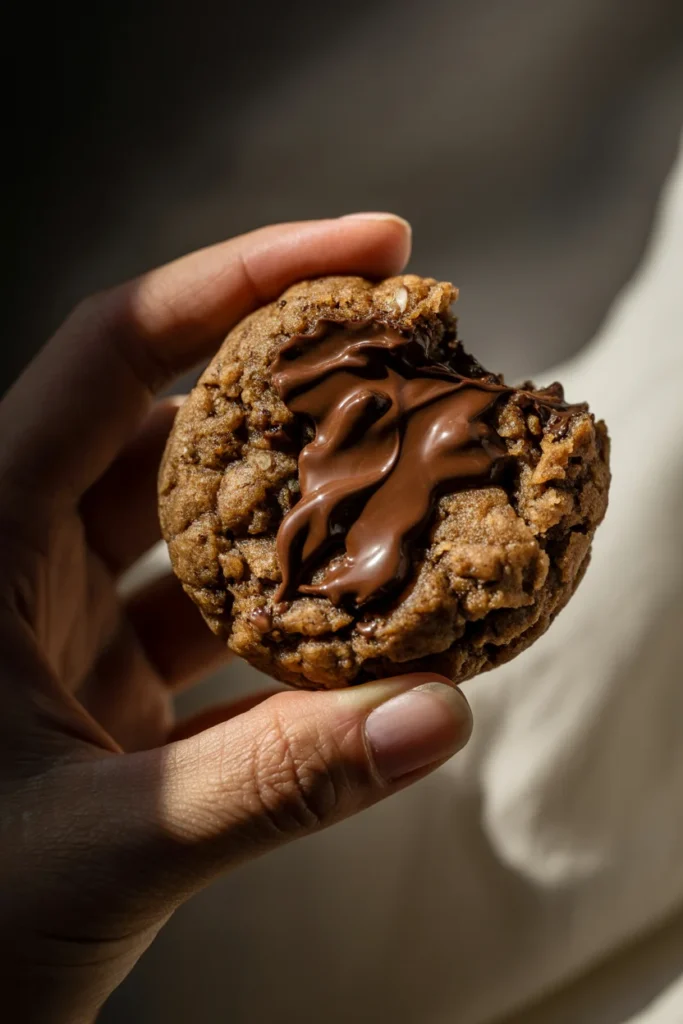
- Preheat oven to 350°F. Line a baking sheet with parchment paper because stuck cookies are a tragedy.
- Mix flour, baking soda, and salt in one bowl. In another, cream together softened butter and brown sugar until fluffy. Add egg and vanilla, beat well.
- Combine wet and dry mixtures. Stir until just combined, then fold in those chocolate chips. More chips = more happiness, IMO.
- Drop spoonfuls onto baking sheet, spacing them about 2 inches apart. Bake for 10-12 minutes until edges are golden. Let them cool for 5 minutes before devouring.


Common Mistakes to Avoid
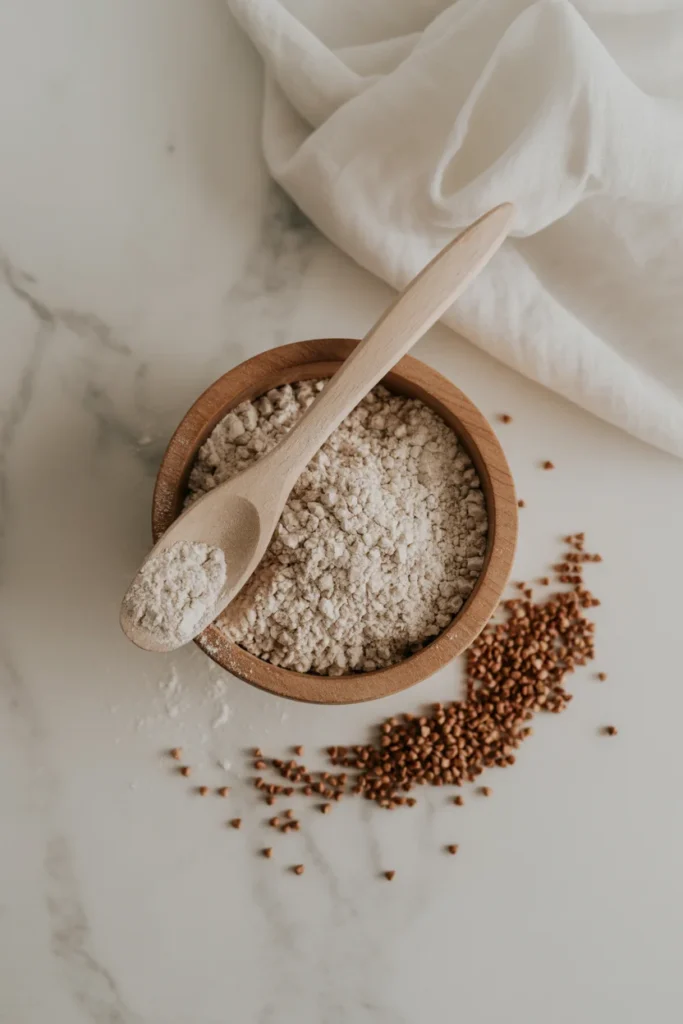
Thinking all buckwheat flour is the same. Light buckwheat flour is milder; dark buckwheat flour is more intense. Know which one you’re buying or your pancakes might taste like you scraped them off a forest floor.
Overmixing the batter. I know you want to eliminate every single lump, but resist the urge. Overmixing develops gluten-like proteins in buckwheat that make things tough and chewy. A few lumps never hurt anyone.
Not letting crepe batter rest. That 10-minute rest time isn’t a suggestion—it lets the flour fully hydrate and results in tender crepes. Skip it and you’ll get rubbery disappointments.
Using buckwheat flour 1:1 in regular recipes. Buckwheat behaves differently than wheat flour. It absorbs more liquid and has a stronger flavor. Start with recipes specifically designed for buckwheat before going rogue with substitutions.
Cooking at too high heat. Buckwheat browns faster than regular flour. Medium heat is your friend here, or you’ll end up with burnt outsides and raw insides. Not cute.

Alternatives & Substitutions
Out of buckwheat flour? You can substitute with a mix of almond flour and tapioca starch (¾ cup almond flour + ¼ cup tapioca per cup of buckwheat), though the flavor will be totally different.
Honestly, if you’re exploring more gluten-free options, quinoa is also naturally gluten-free and makes a great grain alternative in many recipes.
Dairy-free? Swap regular milk for almond, oat, or coconut milk. Use coconut oil instead of butter. The cookies especially work great with coconut oil—adds a subtle tropical vibe.
Egg replacements: For pancakes and crepes, try a flax egg (1 tablespoon ground flaxseed + 3 tablespoons water, let sit 5 minutes). For cookies, applesauce works in a pinch (¼ cup per egg), though they’ll be cakier.
Want something sweet to pair with your buckwheat creations? Try whipping up a frozen strawberry margarita for brunch—because who says you can’t have cocktails with pancakes?
Different sweeteners: Coconut sugar, maple syrup, or honey all work instead of regular sugar. Just adjust liquid amounts slightly if using liquid sweeteners.
Final Thoughts
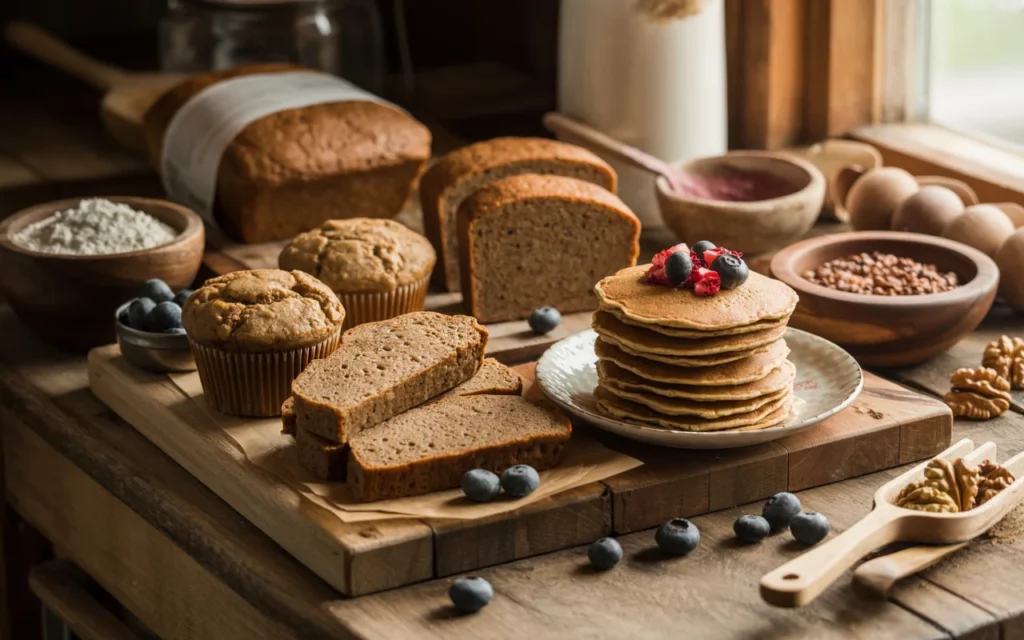
Look, going gluten-free doesn’t mean your baking dreams are dead. Buckwheat flour is genuinely delicious, surprisingly forgiving, and way more versatile than you’d expect.
Whether you’re whipping up weekend pancakes, impressing someone with homemade crepes, or stress-baking cookies at midnight (no judgment), buckwheat has your back.
And if you’re on a gluten-free journey and want to treat yourself to something indulgent, those gluten-free beignets are absolutely worth making—because life’s too short to skip the good stuff.
So grab a bag of buckwheat flour, pick a recipe, and get cooking. Worst case scenario? You end up with something edible and learn what not to do next time.
Best case? You discover your new signature dish and become the gluten-free guru among your friends. Either way, you’ve got this. Now go make something delicious and report back. Happy cooking! 🥞
FAQ (Frequently Asked Questions)
Is buckwheat flour actually gluten-free?
Yep! Despite having “wheat” in the name (cruel joke, really), buckwheat is a seed related to rhubarb, not wheat. It’s naturally gluten-free. Just make sure your package is certified gluten-free to avoid cross-contamination during processing.
Why do my buckwheat pancakes taste bitter?
You probably used dark buckwheat flour or too much of it. Start with light buckwheat flour and try a 50/50 blend with another gluten-free flour like rice flour if the flavor’s too intense. Also, old buckwheat flour can get bitter—check that expiration date.
Can I substitute buckwheat flour in any recipe?
Not exactly. Buckwheat doesn’t have gluten, so it won’t behave the same in bread or pizza dough. Stick to recipes designed for buckwheat or use it in combination with other gluten-free flours and binding agents like xanthan gum.
How do I store buckwheat flour?
In an airtight container in a cool, dark place for up to 3 months. Better yet, refrigerate or freeze it—buckwheat has natural oils that can go rancid. FYI, rancid buckwheat flour smells like old socks. Not worth the risk.
What’s the difference between buckwheat flour and buckwheat groats?
Groats are the whole kernels; flour is ground groats. You can actually grind your own flour from groats in a high-speed blender if you’re feeling ambitious (or just want to pretend you’re a pioneer).
Can kids eat buckwheat?
Absolutely! It’s nutritious and less allergenic than wheat. Plus, kids usually dig pancakes and cookies, regardless of what flour you use. Just introduce it gradually if they haven’t had it before.
My batter seems too thick—help?
Add liquid a tablespoon at a time until you reach the right consistency. Buckwheat flour absorbs more liquid than regular flour, so don’t panic if you need to thin things out.

I’m Dr. Shivani, a Kolkata-based nutritionist since 2015. After 10 years of igniting a love for healthy eating in young minds as a High School nutritionist teacher, I now help individuals unlock their full potential through personalized diet plans. My passion for writing and sharing nutrition knowledge (through blogs and observations) keeps my practice fresh and fuels my love for the field!